

Do sports jackets have good insulation?
As a sports jacket supplier, I've often been asked about the insulation properties of our products. This is a crucial question, especially for those who engage in outdoor sports in various weather conditions. In this blog, I'll delve into the factors that determine the insulation of sports jackets and share insights on how our jackets perform in this regard.
Understanding Insulation in Sports Jackets
Insulation in a sports jacket refers to its ability to retain body heat and protect the wearer from the cold. Several key factors contribute to a jacket's insulation capabilities:
Material
The choice of material is perhaps the most significant factor. Different fabrics have different insulating properties. For example, natural materials like wool are known for their excellent insulation. Wool fibers have a natural crimp that creates air pockets, which trap heat and provide warmth. Synthetic materials such as polyester and nylon are also commonly used in sports jackets. They can be engineered to have good insulation properties, often with the added benefits of being lightweight, breathable, and quick - drying.

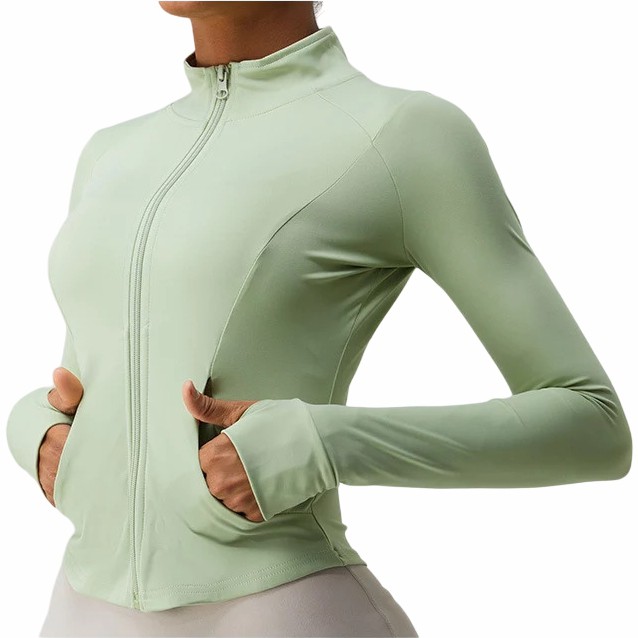
Some high - tech synthetic materials, like Thinsulate, are specifically designed for insulation. Thinsulate is a microfiber insulation that can provide a high level of warmth without adding much bulk. It's commonly used in our Slim Fit Track Jacket, which combines style and functionality.
Thickness and Density
The thickness and density of the jacket's fabric also play a role in insulation. Generally, thicker fabrics can provide more insulation as they have more material to trap heat. However, in sports jackets, there's a balance to be struck. Too thick a jacket can restrict movement and cause the wearer to overheat during intense physical activity. Our jackets are designed with an optimal thickness that provides sufficient insulation while allowing for a full range of motion.
The density of the fabric is also important. A denser fabric can prevent cold air from penetrating and warm air from escaping. This is particularly important in windy conditions.
Lining
The lining of a sports jacket can enhance its insulation. Some jackets have a fleece lining, which is soft, warm, and breathable. Fleece is made from polyester fibers that are brushed to create a fluffy surface, increasing its ability to trap air and retain heat. Other linings may be made from materials like nylon or a combination of fabrics to provide additional insulation and comfort.
Insulation for Different Sports
Different sports have different insulation requirements. Let's take a look at how our jackets are tailored to meet these needs.
Running
Running is a high - intensity sport that generates a lot of body heat. However, when running outdoors in cold weather, a good insulation layer is still necessary. Our Running Sports Jackets are designed to be lightweight yet provide adequate warmth. They are made from breathable materials that allow sweat to evaporate, preventing the wearer from getting cold and wet. The jackets also have a snug fit to reduce wind resistance while maintaining insulation.
Yoga
Yoga is a more low - intensity activity that may require less insulation during the practice itself. However, in cooler environments, a lightweight yet insulating jacket can be beneficial, especially during the warm - up and cool - down periods. Our Lightweight Jackets for Yoga are made from soft, stretchy materials that provide just the right amount of warmth without restricting movement. They are also breathable to keep the body comfortable during the practice.
Testing and Performance
At our company, we take the insulation properties of our sports jackets very seriously. We conduct a series of tests to ensure that our jackets meet high - quality standards.
Laboratory Testing
We use specialized equipment to measure the thermal resistance of our jackets. This involves placing the jacket on a heated mannequin and measuring the amount of heat loss through the fabric. The results of these tests help us to fine - tune the design and material selection of our jackets to optimize insulation.
Field Testing
In addition to laboratory testing, we also conduct field tests. Our team of athletes and testers wear the jackets in real - world conditions, including different temperatures and weather conditions. They provide feedback on the jacket's performance, such as how well it retains heat, how breathable it is, and how comfortable it feels during physical activity. This feedback is invaluable in improving our products and ensuring that they meet the needs of our customers.
Conclusion
So, do sports jackets have good insulation? The answer is yes, especially when they are well - designed and made from high - quality materials. Our sports jackets are engineered to provide excellent insulation while also meeting the specific needs of different sports. Whether you're running in the cold or practicing yoga in a cool studio, our jackets will keep you warm and comfortable.
If you're interested in our sports jackets and would like to discuss a potential purchase, please don't hesitate to reach out. We're always happy to answer your questions and work with you to find the perfect jackets for your needs.
References
- ASHRAE Handbook of Fundamentals. American Society of Heating, Refrigerating and Air - Conditioning Engineers.
- Textile Testing Manual. ASTM International.
- Sports Apparel Design and Technology. Woodhead Publishing.